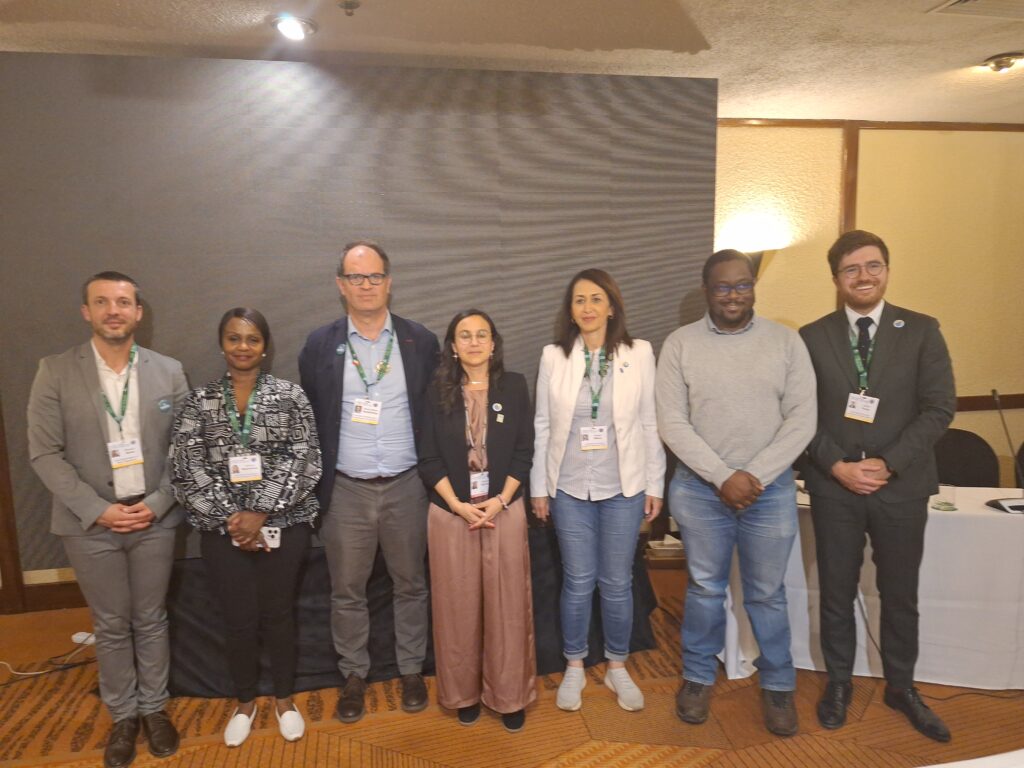
The International Network of Basin Organizations (INBO) and its members played an active role at 5th Conference of the Contracting Parties (COP15) to the Ramsar Convention on Wetlands, engaging in key discussions, side events, and collaborative initiatives focused on wetland conservation and integrated water management.
Adopted in 1971 in Ramsar, Iran, the Ramsar Convention is the only global treaty dedicated to wetlands. It provides the framework for national and international cooperation to ensure the conservation and wise use of these vital ecosystems.
The Ramsar COP15 brought together 172 member countries under the theme “Wetlands Action for People and Nature”, including representatives from governments, international organizations, civil society, and experts in wetland conservation to discuss the future of wetlands and their crucial role in biodiversity, climate resilience, and sustainable development.
Hosted in the iconic setting of Victoria Falls, this global gathering focused on strengthening policies and commitments to protect and restore wetlands, which are among the world’s most valuable yet threatened ecosystems. Discussions covered key issues such as water management, ecosystem services, nature-based solutions, and international cooperation.
With wetlands playing a vital role in mitigating climate change, supporting livelihoods, and preserving biodiversity, COP15 served as a critical moment for defining new strategies and reinforcing the global commitment to wetland conservation.
Governments reviewed progress, shared experiences, and adopted new resolutions to strengthen the implementation of the Convention.
INBO’s Contribution
INBO contributed to the program of COP15 by promoting the benefits of Integrated Water Resources Management (IWRM) at the basin level for the conservation and sustainable use of wetlands. Wetlands are not isolated entities, but rather integral components of a larger hydrological system. The health of a wetland is directly determined by the quantity and quality of water resources flowing into it from the entire hydrographic basin and associated aquifer. Effective wetland conservation cannot be achieved through isolated site-based protection alone. It requires managing water, land, and related resources across the entire basin area to balance social and economic needs with the sustainability of vital ecosystems. This is especially crucial for transboundary basins, where cooperation between riparian States is essential to prevent upstream actions from degrading downstream wetlands and the livelihoods that depend on them.
Through its participation, INBO highlighted in particular the importance of strategically planning and implementing Nature-based Solutions (NbS) in cascade, at basin level, to achieve critical mass and provide multiple benefits (including wetland conservation, biodiversity preservation, climate adaptation, and the prevention of soil erosion and land degradation).
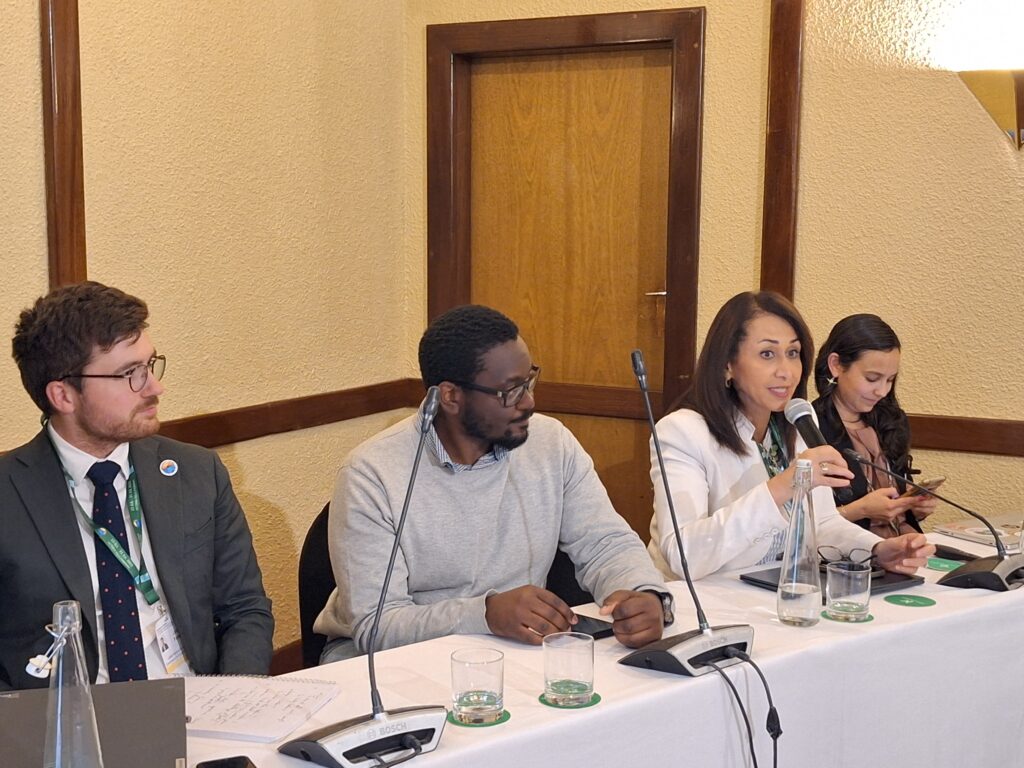
Under this framework, INBO was the lead organizer of the COP15 session entitled “Nature-based Solutions: a fruitful strategy for wetland conservation & sustainable development in national and transboundary basins”.The session was held with the support of the United Nations Convention to Combat Desertification (UNCCD) and Fundación Kennedy (Chile). Practical experiences were shared, with case studies from national basins (Ministry of Foreign Affairs of Chile, WWF Zambia) and transboundary basins of rivers and lakes (UNECE Water Convention Secretariat, Food and Agriculture Organization of the United Nations – FAO, Zambezi Watercourse Commission – ZAMCOM).