update Updated 2 July 2025
category Climate change adaptation Governance News Transboundary cooperation
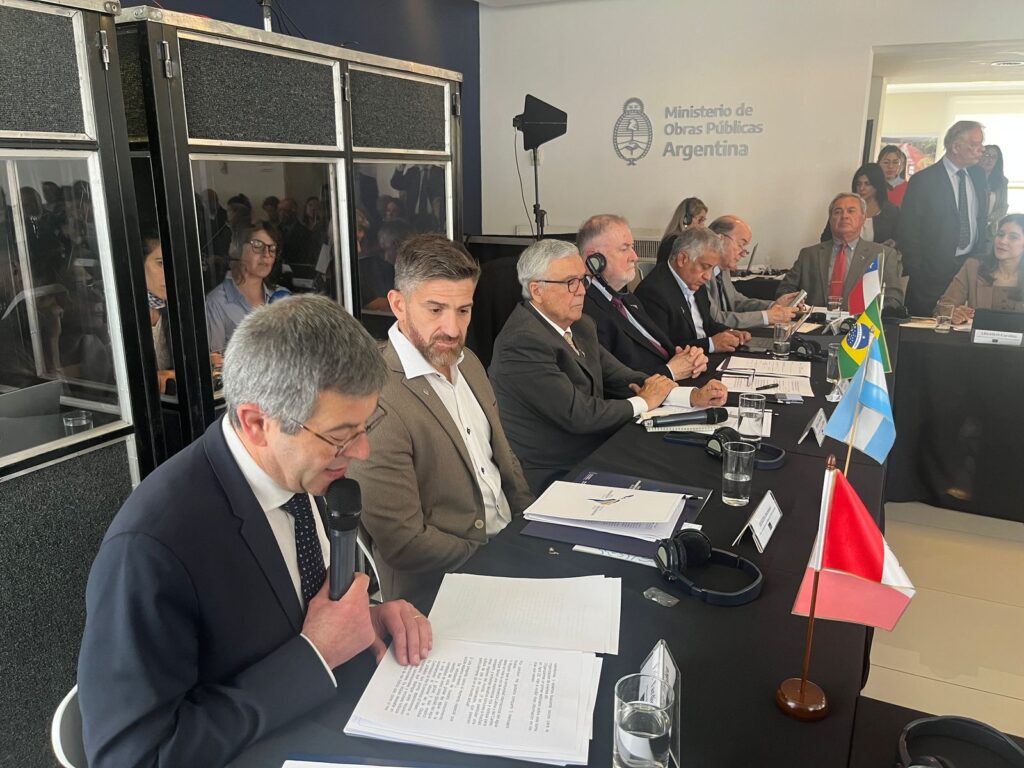
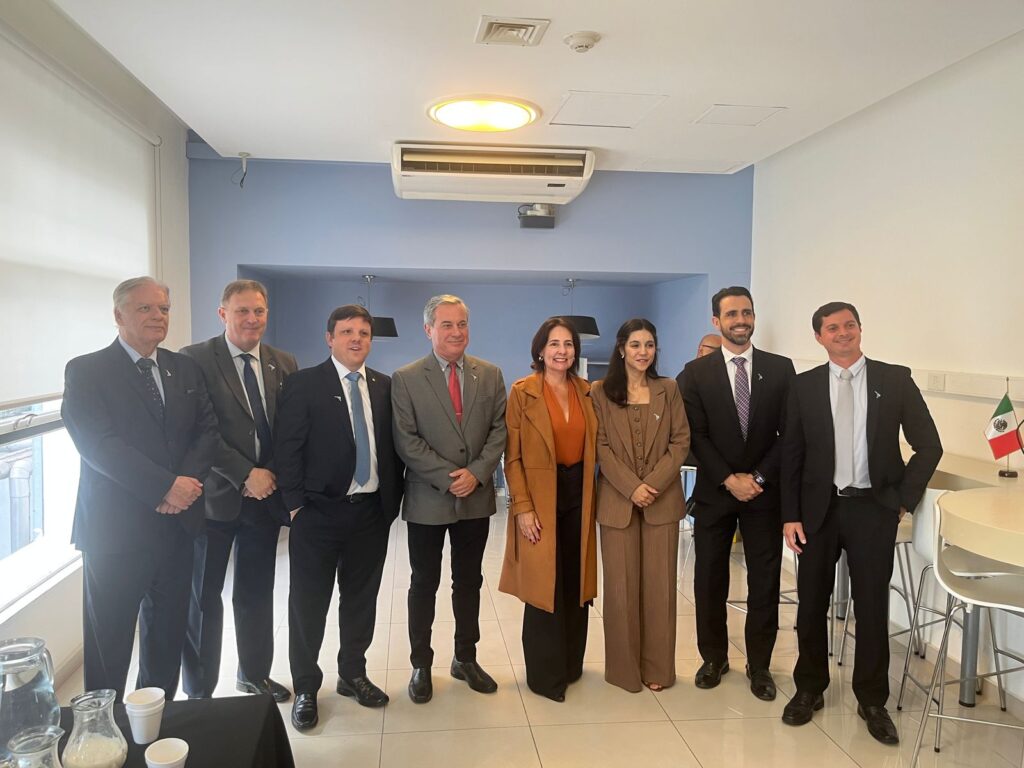
The CLA held its first working meeting in Buenos Aires on 13 and 14 March 2025. Chaired by Dr Benedito BRAGA, it enabled important decisions to be taken to guide its actions during the years 2025-2026 on the themes of water security and hydrological resilience, rural sanitation, regulation, technology and innovation.
The Latin American Water Council (CLA) was created in November 2023 in Aracajú, Brazil, during the 1st Latin American Water Forum, and its action programme was presented at the 10th World Water Forum in May 2024 in Bali, Indonesia.
The CLA aims to develop actions, projects and programmes to integrate public policies for integrated water resource management in Latin America and the Caribbean.
By promoting sustainable water management, the CLA aims to adapt global strategies to the needs and specificities of Latin America, coordinating efforts between different regional actors to address water and sanitation challenges, and providing innovative public policy proposals for all challenges in the water sector, in collaboration with the World Water Council.
Invited to this meeting, Mr Tardieu, Secretary General of INBO, stressed the importance of strengthening dialogue and integration at the regional level for greater visibility and better coordination of actors and actions in the region at the global level. These two pillars, which are essential to the role of basin organisations around the world, are at the heart of INBO’s technical and political conviction that river basins, lakes and aquifers can accelerate the implementation of the Sustainable Development Goals.
Our members and partners testify
With members in 18 countries in Latin America, the RIOB is particularly active in this part of the world. We need to place more trust in basin organisations and support them, both at national and transboundary level.
This year, an important event for Latin America and the whole world will be the COP 30 Climate Conference to be held in Belém, Brazil, in November. The INBO, which will actively participate, particularly on the theme of new satellite technologies, is looking for partners to organise events on site.
This first meeting enabled us to define four priorities:
Water security in the context of the extreme events that our continent is experiencing, by finding solutions such as increasing water storage and protecting people living near rivers.
Rural sanitation. Latin America is a continent with 150 million people living in rural areas. Meeting the need for safe drinking water and sanitation will require innovative solutions, in addition to those commonly used in urban areas.
Appropriate, independent regulation to enable the private sector to provide water supply and sanitation services.
The establishment of measurement and information systems using modern technologies to monitor rainfall and river flows on the continent.“
The CLA will first and foremost be committed to ensuring water security. This is linked to the volume available, infrastructure, drinking water services in general, but above all to information and the existence of accurate and reliable data, enabling measures to be taken to correct problems.
This would be a first step.
Secondly, governance should be strengthened by involving those who, as I mentioned, are affected by the problem, and by encouraging decision-makers to address water issues and give them priority.
Finally, I believe it is important to develop a water culture, in terms of empowering those who benefit from water services and advantages, so that they can identify problems and errors and influence solutions.
These are the three fundamental elements, regardless of the technological issues and technical aspects that need to be reviewed. We know the problems, we know the solutions, now we need to take action. “