update Updated
category News
Funded by the European Union and implemented by INBO and the African Network of Basin Organisations (ANBO), the Peer-to-Peer project aims to strengthen cooperation and the sharing of experiences in the field of IWRM amongst basin organisations worldwide.
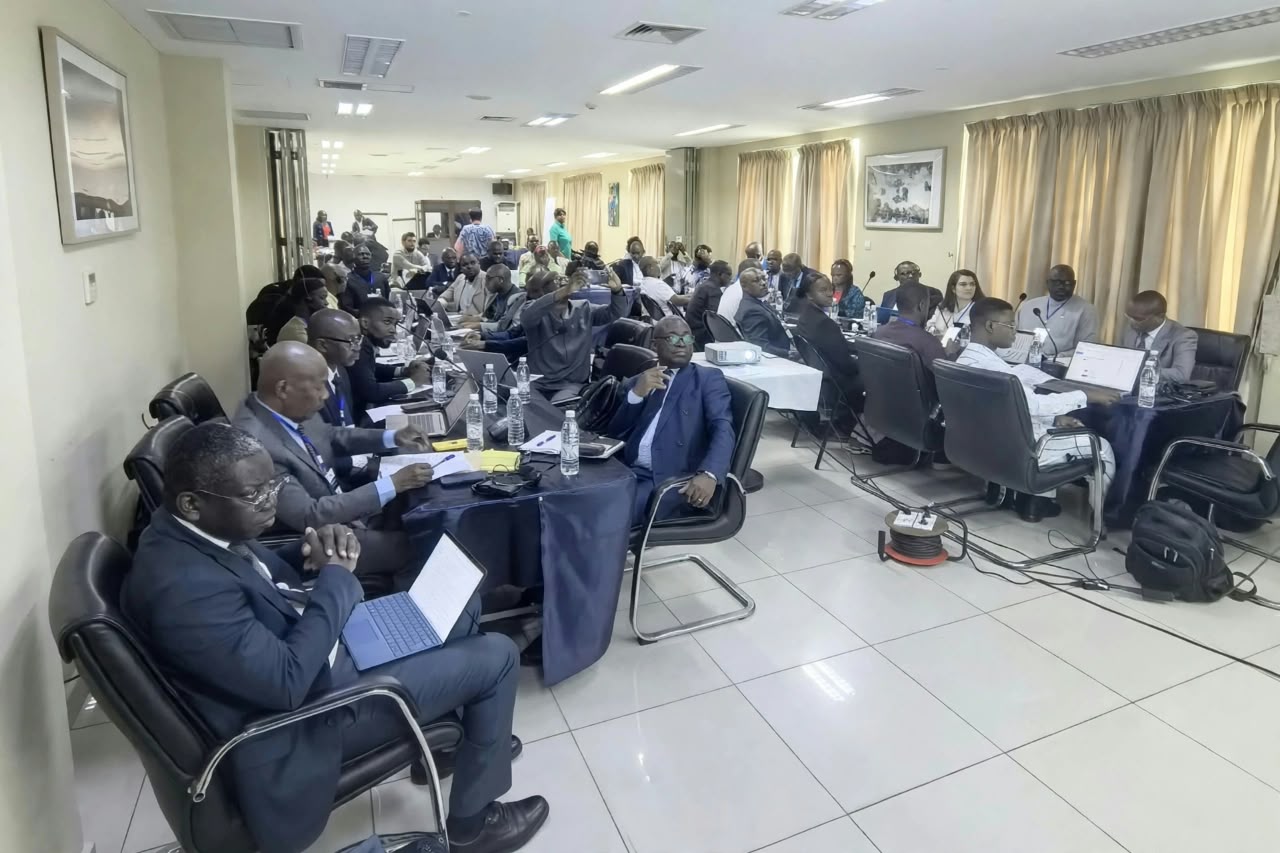
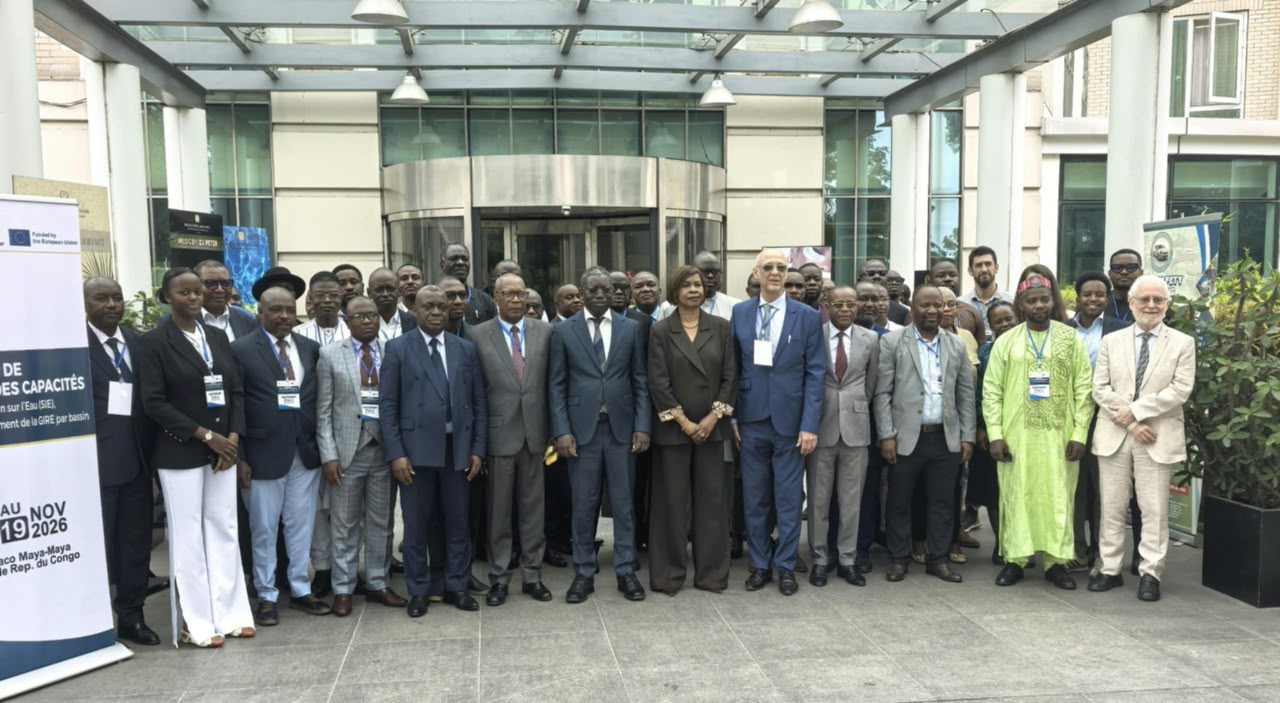
From 17 to 19 November 2026, the Peer-to-Peer (P2P) project brought together in Brazzaville, in the Republic of the Congo, around fifty senior officials and expertsfrom some twenty African countries and river basin organisations. Organised as part of the P2P educational programme, this regional capacity-building workshop provided an opportunity to explore three key issues for sustainable water resources management in greater depth: the financing of Integrated Water Resources Management (IWRM) at the river basin level, Water Information Systems (WIS) and spatial hydrology.
Peer-to-peer learning for better water resource management
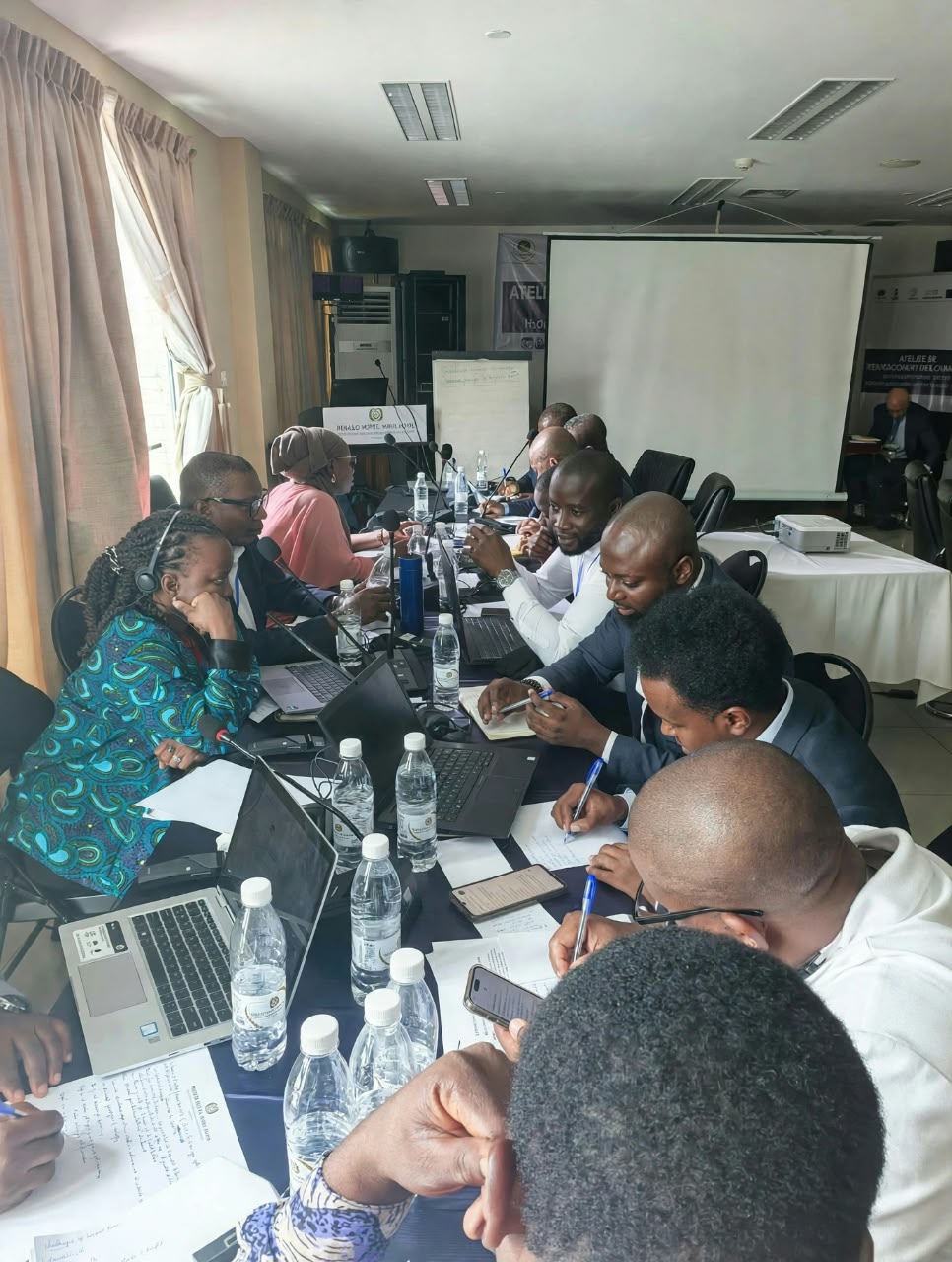
The Brazzaville workshop brought together representatives of river basin organisations, mainly from the African continent, from the project’s 21 pairings, scientific experts and representatives of civil society, as well as Congolese experts. It enabled them to exchange views at a regional level to strengthen their technical and institutional capacities through case studies, practical exercises and the sharing of experiences amongst peers.
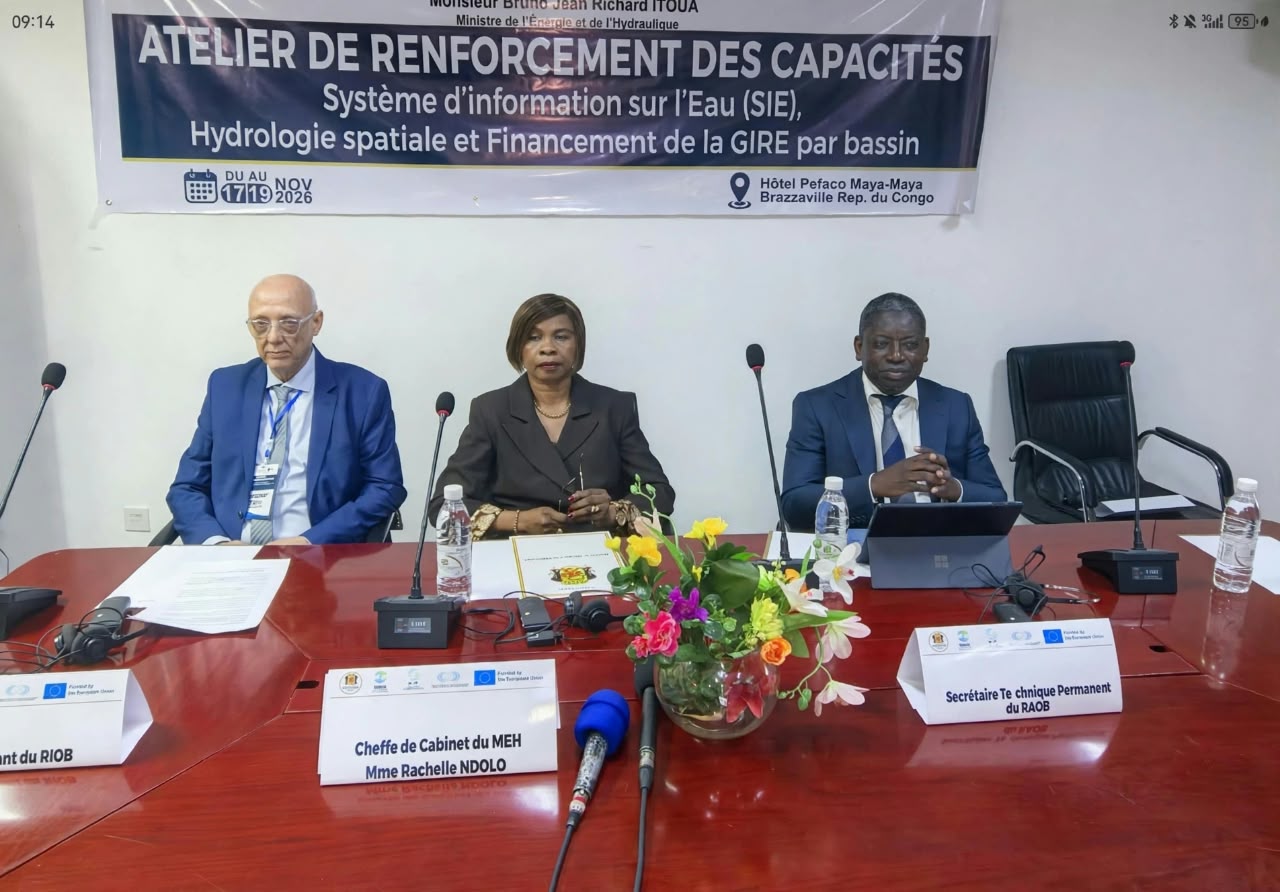
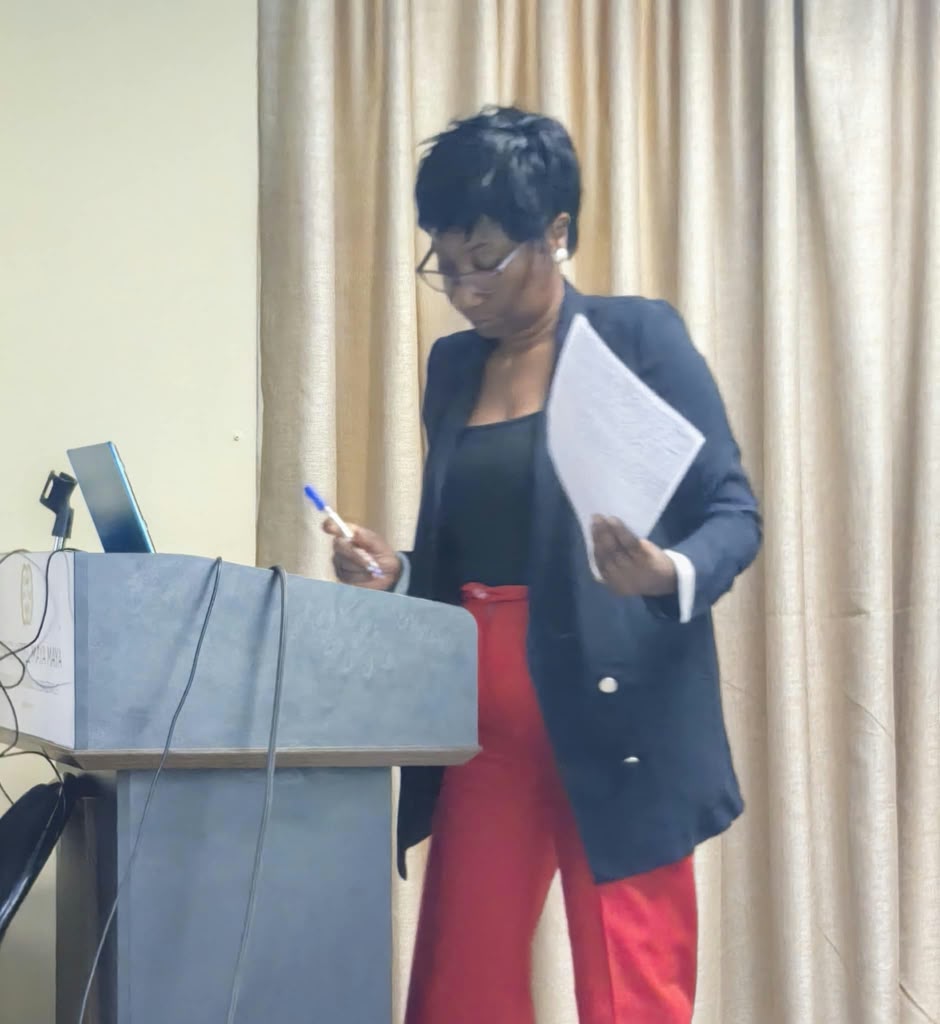
The opening ceremony featured speeches by Mr Christophe Brachet, P2P Project Manager and representative of INBO, Mr Niokhor Ndour, Secretary-General of OMVS and Permanent Technical Secretary of RAOB, and Ms Rachelle Ndolo, Chief of Staff to the Minister for Energy and Water Resources of the Congo, who opened the workshop.
The speakers thanked the Minister for Energy and Water Resources for his hospitality, as well as the European Union for its support. They emphasised the importance of strengthened cooperation between water stakeholders, in a context characterised by climate change, increasing needs and growing pressures on resources. Recalling that water is a shared resource that cannot be managed in isolation, they emphasised in particular four essential conditions for effective IWRM: strong institutions, appropriate expertise, reliable information and sustainable funding.
Sustainable funding for IWRM: the focus of discussions on the first day
The first day, 17 November, was devoted to financing IWRM at the river basin level. Following presentations on lessons learnt by four river basin organisations (ABAKIR, ABV, LIMCOM and OMVG), participants took part in group discussions focusing on three key issues: the financing of studies and planning, the financing of local projects, and the financing of infrastructure of common interest.
In the afternoon, discussions centred on the difficulties encountered and the funding sources that could be mobilised. In particular, a World Café session enabled participants to develop funding strategies based on real-life cases and to identify potential funders.
WIS: improving understanding, sharing and use of water data
On 18 November, the second day of the conference focused on Water Information Systems (WIS). These tools play a vital role in organising, centralising, analysing and sharing the data required to understand water resources and support decision-making.
A number of case studies provided an opportunity to discuss existing systems, notably the strengthening of the National Hydrological Service of the Republic of the Congo, the Water Information System for the Senegal River basin, and the contributions of universities and observation networks to resource monitoring.
Discussions also centred on the technical principles of Water Information Systems (WIS): remote measurement, data security, interoperability, metadata and information sharing. Practical workshops in small groups addressed several key issues: data collection and storage, modelling and decision-support tools, the dissemination of information, as well as governance and the sharing of sensitive data.
The experiences of the ABV and the OMVG complemented this work, illustrating the potential for utilising data and its application to support river basin management.
Spatial hydrology: innovative approaches to resource monitoring
The third day, 19 November, was devoted to spatial hydrology and the opportunities offered by satellite data to improve the monitoring of water resources.
Participants discussed, in particular, the principles of spatial altimetry, the applications of SWOT data for monitoring rivers and lakes, and methods for extracting and analysing time series of water levels.
Practical sessions provided an opportunity to learn about the processing of satellite data and to identify the main sources of uncertainty, particularly by comparing them with field measurements. Participants were also able to explore practical applications of this data in hydrological and hydraulic modelling, with exercises based on the MGB model.
A collective approach to support river basin organisations
Beyond the three topics covered, the Brazzaville workshop provided a forum for dialogue and learning amongst professionals facing common challenges. By sharing experiences, tools and practices, participants were able to deepen their knowledge and identify practical applications suited to the realities of their respective river basins.
This meeting forms part of the long-term objectives of the Peer-to-Peer project: to make the sharing of experiences a genuine driver of capacity-building, to foster cooperation between river basin organisations, and to support the implementation of integrated, coordinated and sustainable water resource management for the benefit of local communities.
gallery_thumbnailPhotos from the workshop